
Seoul Forest is the green space most Seongsu visitors walk right past. The neighborhood pulls crowds for its roasteries and concept stores. Yet one of the city’s largest urban parks sits a few minutes away and stays comparatively quiet. If you want one calm, free, walkable breather inside a busy district, this is the pick. Below is how the park is laid out, when to time a visit, and the trade-offs worth knowing before you go.
- 📍 Address: 273 Ttukseom-ro, Seongdong-gu, Seoul
- 🕒 Hours: Park grounds open 24 hours. The deer and eco-forest zone runs daytime only (roughly 7am–8pm, to 9pm in summer). Insect and butterfly gardens open 10am–5pm and close Mondays; the butterfly garden runs May–October only.
- 💵 Price: Free. Deer feed costs a small coin from vending machines.
- 🚇 Getting there: Suin–Bundang Line, Seoul Forest Station, Exit 3 or 4 (2–5 min walk). Backup: Line 2, Ttukseom Station, Exit 8 (10–15 min).
- ⏱ Time needed: 2–3 hours
- 🔗 Nearby: Under Stand Avenue, Seongsu café street, Ttukseom Hangang Park
- ✅ Verified as of June 2026
Royal hunting ground turned city park
Seoul Forest opened in 2005 on land with an unusually layered past. It was a royal hunting ground, then the site of Seoul’s first water purification plant, built in 1908. That history sits directly under today’s lawns. The park now stretches across five themed zones near the Han River — a culture-and-art lawn, an eco-forest, a wetland field, a learning park, and a riverside strip.
The appeal is variety in a single place. Within one loop you can see fallow deer, cross a sky bridge toward the river, and rest under cherry trees. The paths stay flat and stroller-friendly. That is why the park works as an easy two-to-three-hour reset between heavier Seoul sights, rather than a destination demanding a full day. It plans well, too. A morning at a palace or Insadong pairs naturally with an afternoon here, and the subway link makes the hop short.
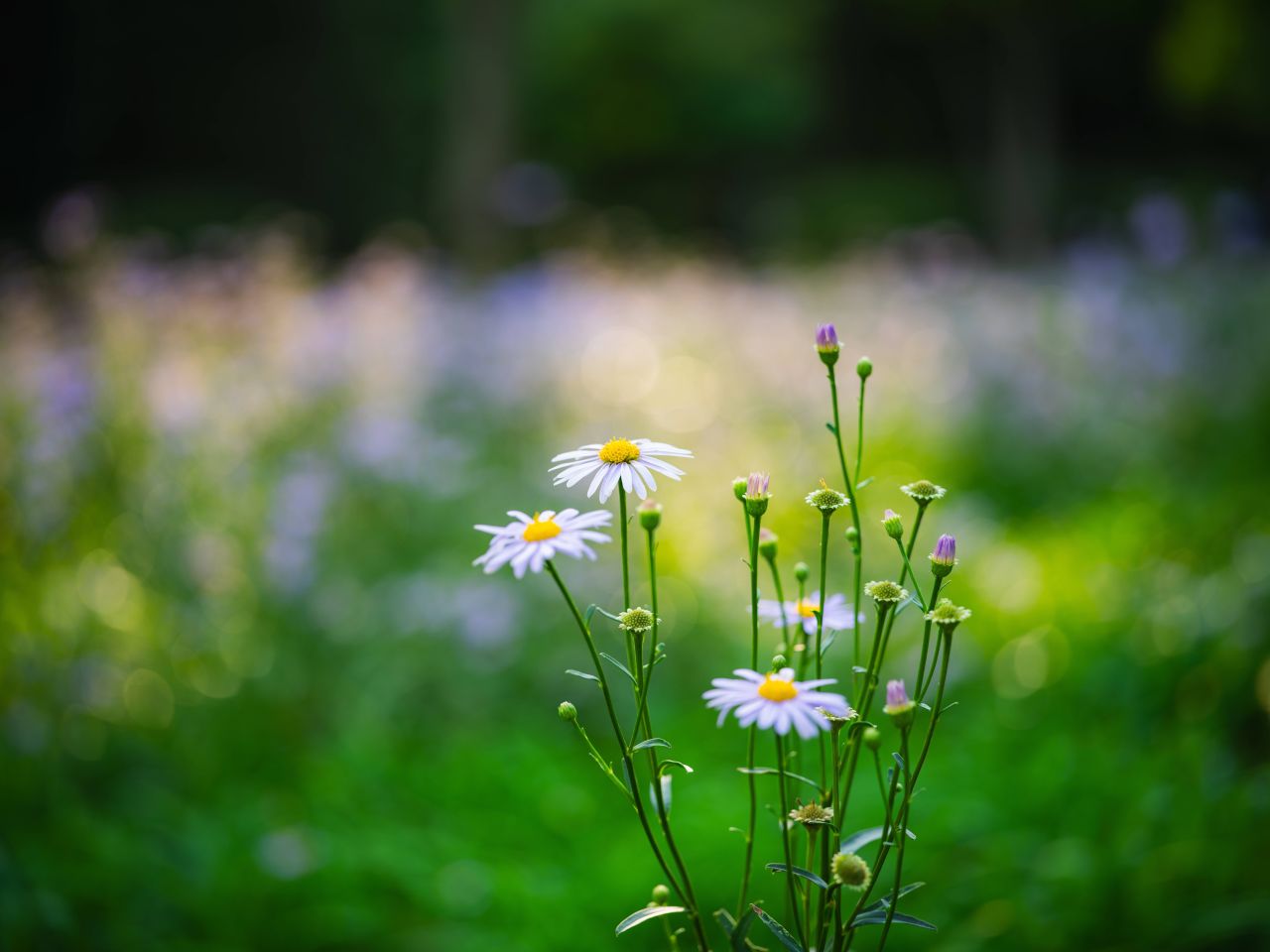
Photo: Wildflower meadows at Seoul Forest — Source: Korea Tourism Organization (KOGL Type 1).
The five zones, and how they connect
The Culture & Art Park is the front lawn and the social heart. Open grass, fountains, and the main picnic spot near Gate 2. Next is the Eco Forest, the zone most first-timers target, with the deer enclosure plus chipmunks, ducks, and a small wildlife observatory.
Beyond it, the Experiential Learning Park holds the insect and butterfly gardens. The Wetlands Field draws birds onto quiet boardwalks. The Han River Waterside sits across an overhead footbridge. It takes roughly ten minutes to walk from the deer to the riverbank, with the small Sungsim-cheon stream linking the zones. Each has a distinct mood. Move quickly through the zones that don’t grab you, and slow down where they do.
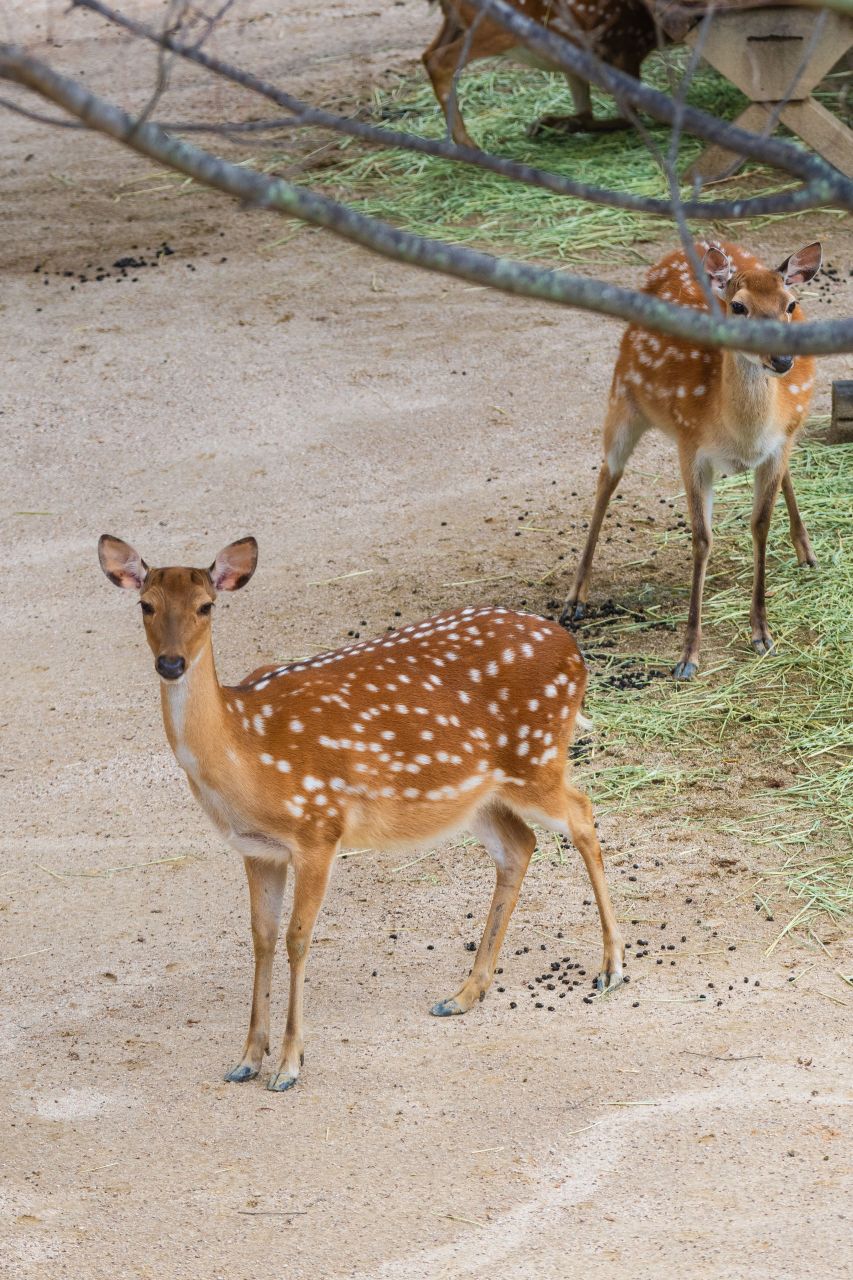
Photo: Spotted sika deer at the Seoul Forest enclosure — Source: Korea Tourism Organization (KOGL Type 1).
What keeps drawing people back
The park is free, which earns easy goodwill. The deer enclosure charms families, and feeding the deer is a storybook moment for younger kids. Seasonal color is a recurring highlight too — picnic blankets under cherry blossoms in spring, glowing ginkgo in autumn. Access wins steady praise as well. The Suin–Bundang line drops you almost at the gate, so a spontaneous visit is genuinely simple. Exit 3 and Exit 4 both put you on flat pavement within a few minutes of the main lawn, and the park’s internal paths avoid stairs almost entirely. Strollers and wheelchairs do fine here.
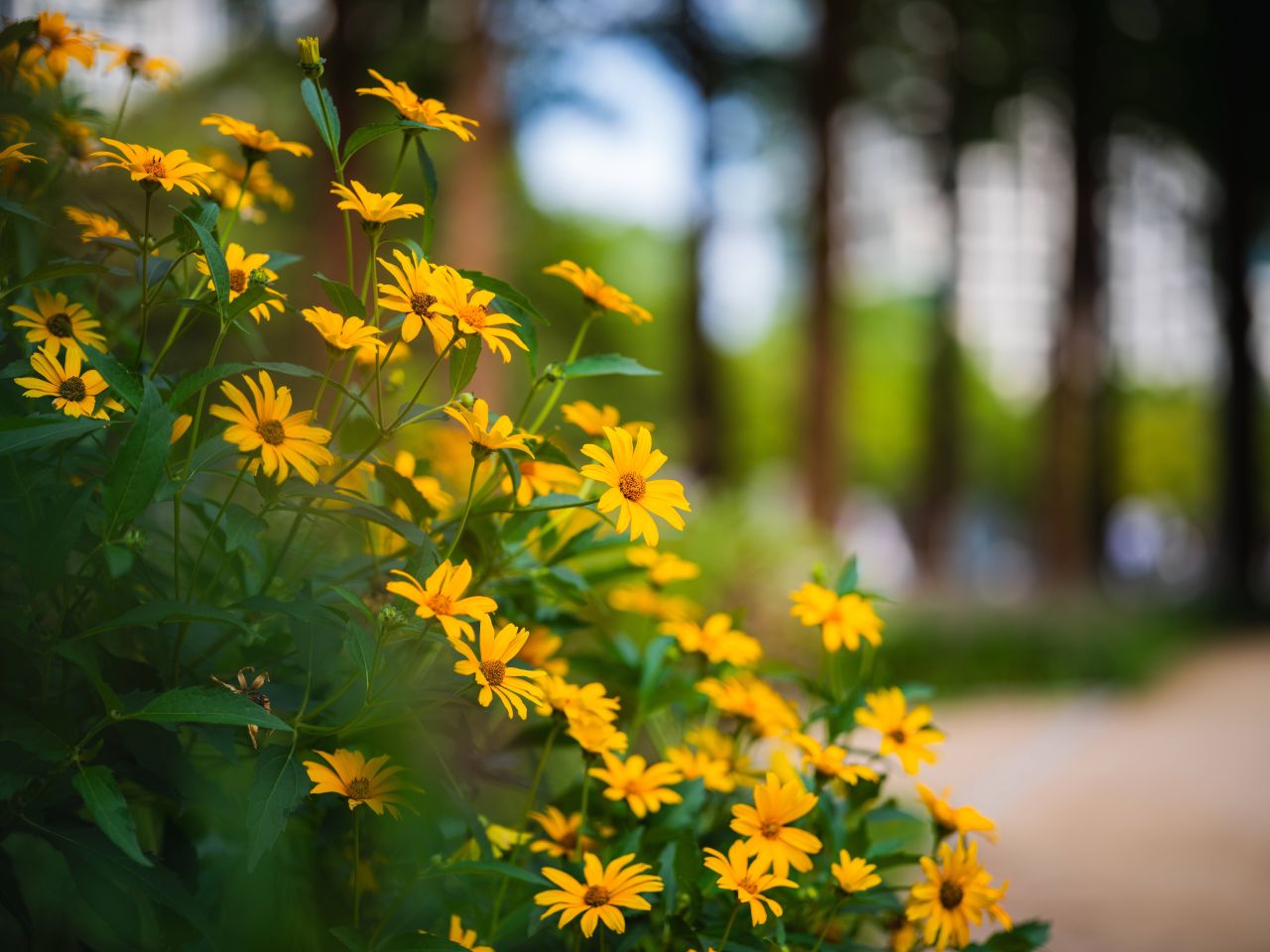
Photo: A flower-lined path through Seoul Forest — Source: Korea Tourism Organization (KOGL Type 1).
For a single clean route, start at the Culture & Art Park. Drift to the eco-forest for the deer. Then take the overhead footbridge across the expressway to the Han River waterside, which frames views toward N Seoul Tower. That unrushed loop runs about three hours. With extra time, exit through Exit 4 into Under Stand Avenue and the Seongsu café street — nature, coffee, and the river along one easy corridor.
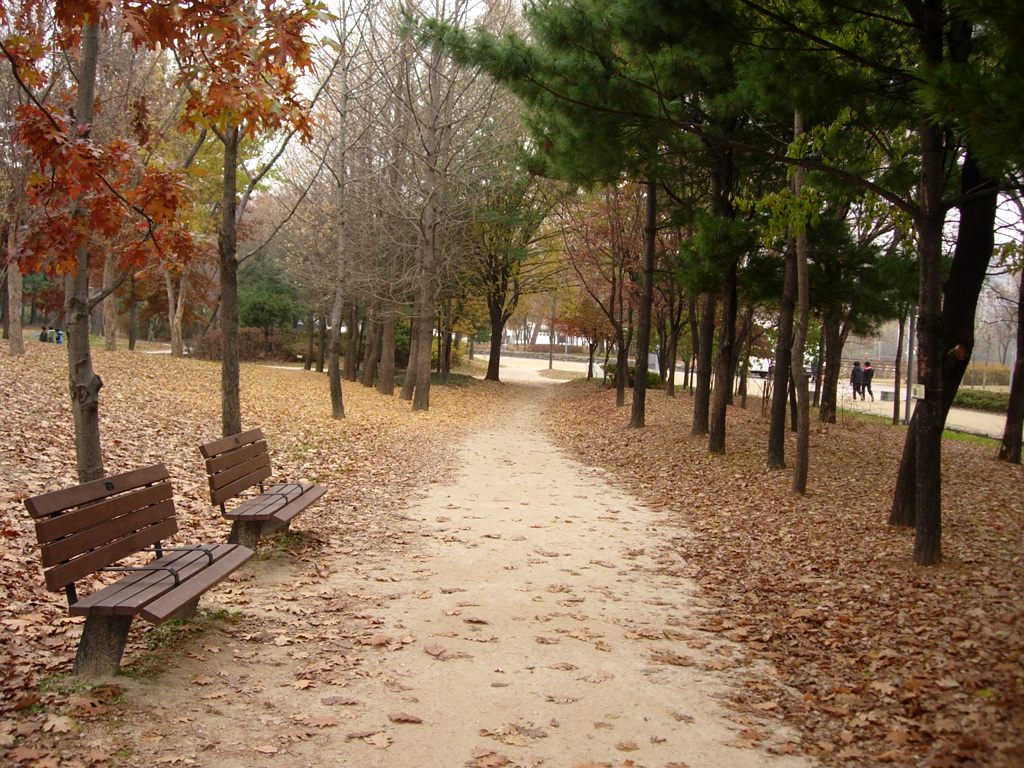
Photo: A tree-lined walking path through Seoul Forest — Enigma7seven, CC BY-SA 3.0 via Wikimedia Commons.
Seoul Forest’s drawbacks, and how to plan around them
It is a genuinely pleasant park, but not a flawless one.
The sun is the real enemy. Shade is patchy and the open zones offer none at all. On a hot afternoon the walking gets punishing fast, and in a proper heatwave people give up on daytime visits entirely and come back after dark. That works, by the way — the grounds stay open 24 hours, and a summer evening here is lovely. Bring water regardless, because vending machines inside are scarce.
Weekends fill up, but the park absorbs it. Spring and autumn weekend afternoons are busy. The saving grace is scale — it is spread out enough that crowds rarely feel oppressive the way a small park would. Weekday mornings are still markedly better.
Popups are a different beast entirely. When a big brand event lands in the park, the queues turn absurd. One recent popup was handing out waiting number 2297 with an estimated wait of over seven hours, and same-day registration had closed before mid-afternoon. If an event is running and you actually want in, arrive at opening and bring something to sit on. Otherwise, check what’s on and plan around it.
Getting there, and what the deer are really like
Don’t drive if you can avoid it. The main park lot backs up badly on weekends and during festival season. The Ttukseom Yusuji public lot nearby is the local workaround and usually has space. Better still, take the Suin–Bundang line — it drops you at the gate and removes the problem.
The deer can underwhelm. The enclosure is modest and the animals turn pushy at feeding time. It reads better as a petting moment than as real wildlife.
The scale means walking. The zones spread out, so reaching the deer, the bridge, and the river adds up to real distance on foot.
Check the calendar. The butterfly garden closes November–April, and several facilities close Mondays. Confirm the day before you commit.
Timing your visit, hour by hour
A weekday morning is the strongest window. Head straight to the deer before crowds build. Bring a refillable water bottle and wear comfortable shoes for the distance. In blossom season, a picnic blanket earns its space on the Gate 2 lawn. For photographers, the deer area and ginkgo path stay soft and uncrowded early. Near sunset, the footbridge frames the river and N Seoul Tower. Those two windows are worth bookending a visit around. Entry itself is free, and the only spend inside is a coin or two for deer feed.
Is Seoul Forest right for your trip?
The park suits families, slow travelers, and anyone wanting a green pause in Seongsu. It works well for photographers chasing blossoms or autumn gold. The open lawns reward couples and picnickers on a calm weekday.
It fits less well for anyone after dramatic, untouched wilderness or a quick ten-minute stop. This is a broad city park, not a mountain trail, so it repays real time or none at all. For more green-space ideas around the city, browse our other Parks & Nature guides.