
Some Seoul sights exist for joy. Seodaemun Prison is not one of them — and that is precisely the reason it earns a place on a serious itinerary. This preserved red-brick prison sits on the edge of Independence Park. Here the Japanese colonial authorities detained, tortured, and executed Korean independence activists for the better part of four decades. It is heavy. It is quiet. And it explains more about why modern Korea looks the way it does than any palace can. If you have even a passing interest in how the country fought its way to freedom, it warrants a slot. Provided you know what you are walking into.
This guide is written plainly, because this is the kind of place where candor matters. Seodaemun is a somber and at times disturbing experience, not a cheerful sightseeing stop. What follows lays out what you will see, who the site suits, and who should think twice. Plus how to do it justice in roughly two hours.
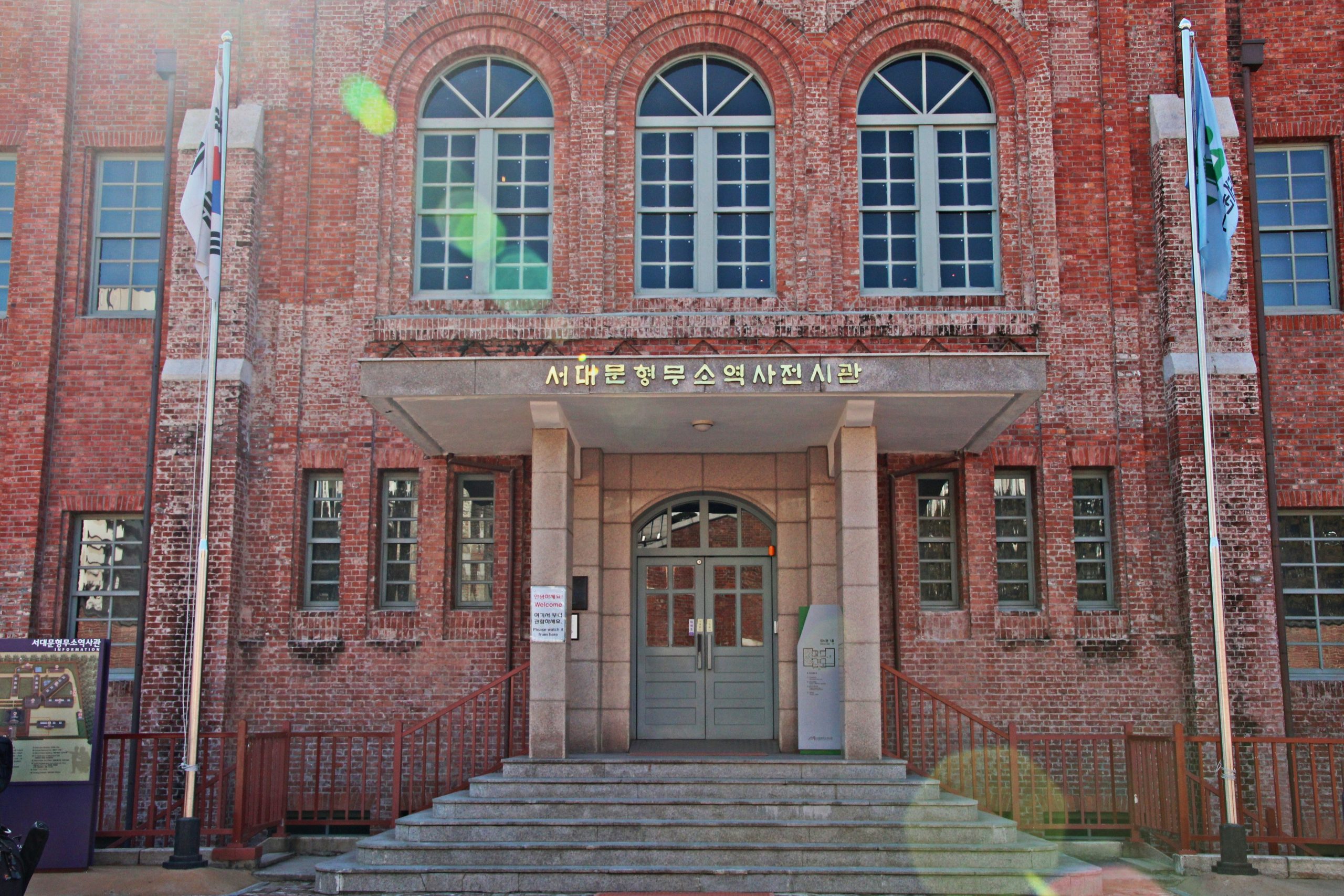
- Address: 251 Tongil-ro, Seodaemun-gu, Seoul (inside Independence Park)
- Hours: Mar–Oct 09:30–18:00 · Nov–Feb 09:30–17:00. Last entry 30 min before closing. Closed Mondays.
- Price: Adults ₩3,000 · youth (13–18) ₩1,500 · children (7–12) ₩1,000. Free for under-7s and seniors 65+. Free on Mar 1, Aug 15, and Patriots’ Day.
- Getting there: Dongnimmun Station (Line 3), Exit 5 — about a 3-minute walk.
- ⏱ Time needed: 1.5 to 2 hours
- 🔗 Nearby: Independence Gate (Dongnimmun) and Independence Park — free, same grounds
- Verified as of June 2026
The prison behind the red brick
The Japanese built and opened this prison in 1908, just before formally annexing Korea. For the next 37 years it held Korean independence fighters. After the 1919 March 1st Movement — the nationwide uprising for independence — the authorities crammed some 3,000 people inside. Many were tortured; some were executed. The best-known prisoner is Yu Gwan-sun, a teenage girl who helped lead the March 1st protests and died here in 1920 from her injuries. She is a national hero now, and this is where her story ended.
The history does not stop in 1945. After liberation the prison kept operating, this time holding democracy and political prisoners through Korea’s authoritarian decades, right up until it closed in 1987. It reopened as a history hall in 1998. Visitors therefore move through both chapters of Korea’s hardest century, even though the exhibits lean heavily on the colonial one.
Walking the cell blocks, room by room
This is not a glass-case museum. It is the real prison, largely intact, and you cross it on foot. The route takes in the preserved red-brick cell blocks with their central surveillance layout, the cramped underground solitary cells, and the watchtower. Fan-shaped outdoor exercise stalls, designed to keep prisoners isolated from one another, still stand in the yard.
Two sections hit hardest. The basement interrogation rooms recreate the torture that happened here using lifelike mannequins, video, and sound. The wooden execution building also survives. Beside it stands the so-called “wailing poplar” tree, said to be where prisoners clung and wept on their way to die. Upstairs, a memorial hall lines the walls with portrait photos of the patriots imprisoned here. The mirrored room that multiplies your own reflection among those faces is the image most visitors report carrying home.
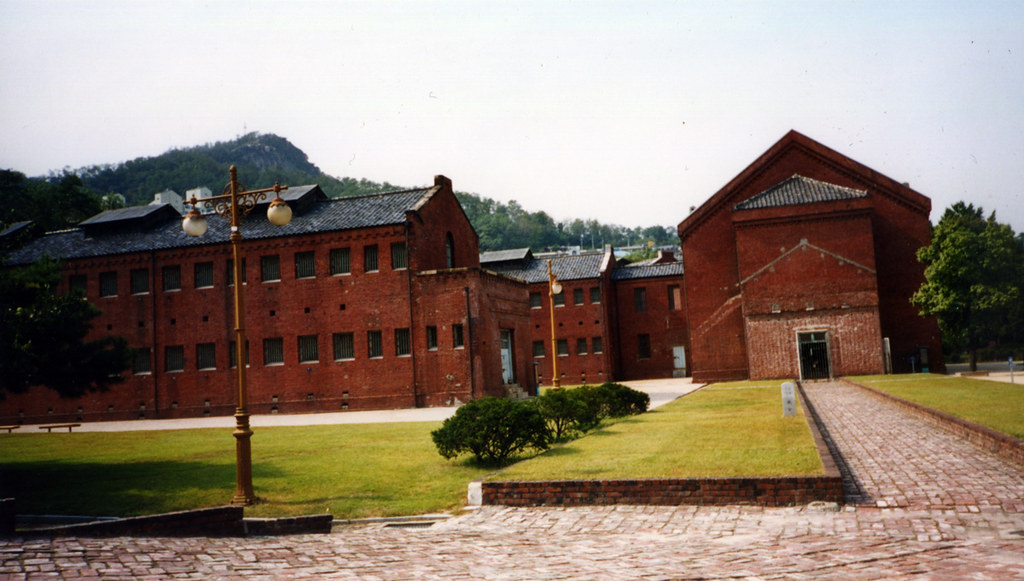
Photo: Seodaemun Prison cell blocks — InSapphoWeTrust, CC BY-SA 2.0 via Flickr
Why a heavy afternoon is worth it
Seodaemun Prison is one of the most consequential places a traveler can visit in Seoul, precisely because it is hard. Korea’s palaces show the glory; this shows the cost. You walk the actual cell blocks where real people were held for refusing to surrender their country, and it lands in a way no textbook manages. For roughly the price of a coffee, you come away understanding the steel beneath modern Korean identity. It is the thread running from the March 1st Movement through Liberation Day and into the national story.
It is also remarkably well preserved and easy to reach. It sits right beside the free Independence Park and Independence Gate, so the history extends the moment you step back outside.
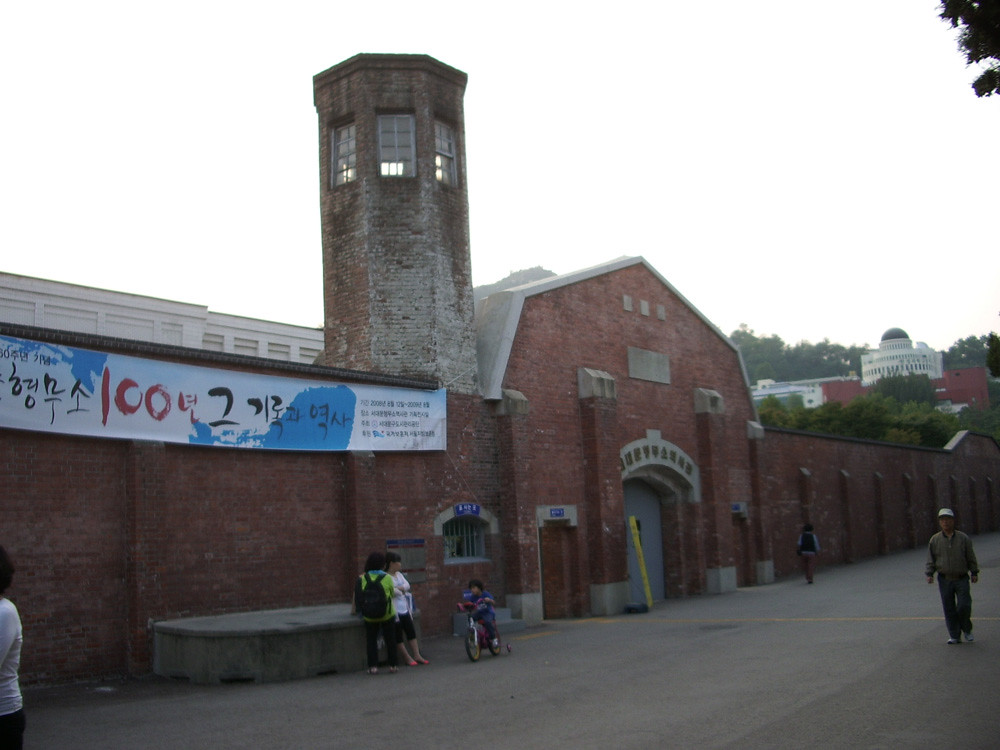
Photo: Seodaemun Prison watchtower & wall — InSapphoWeTrust, CC BY-SA 2.0 via Flickr
Timing, tickets and getting the most from a visit
A few practical points smooth the visit. Most exhibits carry English captions, but the English is uneven. Some panels are thin or Korean-only. Non-Korean speakers end up filling the gaps with atmosphere and the recreations rather than long reading. At ₩3,000 for adults it rarely needs booking, though English guided walking tours can be arranged in advance. The ticket is modest against Seoul’s palaces. Gyeongbokgung runs ₩3,000 too, yet Seodaemun bundles in the adjacent Independence Gate and park at no extra cost. Admission also drops to free on three commemorative dates: March 1, August 15 (Liberation Day), and Patriots’ Day. Those dates come with a serious catch, and it is worth stating plainly: they are the worst days of the year to come. Korean visitors describe hour-long queues just to get through the gate on March 1, cell blocks packed tight enough that stopping to read a panel is not an option, and a separate line for every hands-on activity. Saving ₩3,000 costs you the visit. If the anniversary itself is why you want to be there, come for the atmosphere and accept that the exhibits are not really available that day. The quieter, more contemplative window is a weekday morning, ideally at the 09:30 opening; weekends and holidays draw school groups. Most first-timers underestimate the time, so budget the full two hours if the theme matters to you. Build a pause into your Seodaemun Prison visit. There are seating areas on the grounds and Korean visitors routinely recommend using them, because the basement especially is the kind of exhibit people find they can only take in short stretches. Check the forecast, too. Much of the route runs outdoors between separate blocks, so rain means umbrellas in already narrow spaces.
Before you go: the honest downsides of Seodaemun Prison
Clear expectations make for a better visit. The first and biggest: it is emotionally draining, and the graphic recreations are not for everyone — see the heads-up above and take it seriously. Crowds at Seodaemun Prison make that harder in a way visitor numbers do not convey, because the cell corridors are narrow enough that you move through them in single file. On a busy day you shuffle along without stopping, which rules out pausing at a panel or explaining anything to a child as you go. Second, this is a reflective, heavy stop, so it is unwise to pair it with something that demands a light mood immediately after. Third, the English really is patchy in places, which can leave non-Korean speakers piecing the narrative together. And one fair criticism comes up repeatedly. The story concentrates overwhelmingly on the colonial period, largely skipping the prison’s later use against Korea’s own democracy activists. The telling can feel one-sided. Some also find the mannequin scenes a touch theatrical. None of this outweighs the site — but arriving informed is the point.
Who this visit rewards
The site suits travelers who want to understand modern Korea, not only photograph its pretty side. It rewards anyone who values history with real weight and can handle a sobering couple of hours. For history-minded visitors it is close to essential. It is a harder call if you are traveling with young children, feeling fragile, or simply wanting a light and joyful day out. There is no loss in saving the heavy history for a trip with more headspace for it. For more history-rich stops, see our other Heritage Sites guides.
Building it into a coherent half-day
The strongest approach keeps the theme intact. Start with Seodaemun Prison, then decompress in Independence Park. Walk over to Dongnimmun (Independence Gate) right beside it. Together they make a meaningful half-day on Korean independence. For those wanting more afterward, Inwangsan’s trails and Gyeonghuigung Palace are both close. The one thing to avoid is scheduling something frivolous in the hour right after; the visit deserves room to breathe.
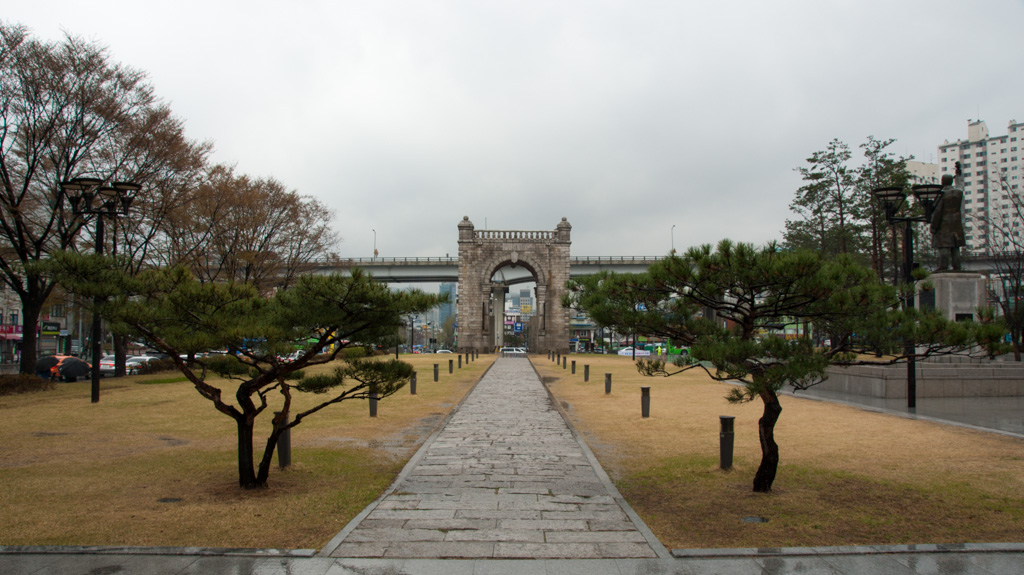
Photo: Independence Gate (Dongnimmun) — 골뱅이, CC BY-SA 3.0 via Wikimedia Commons
Nobody leaves Seodaemun Prison smiling, and nobody is meant to. Visitors leave understanding — which, for a place like this, is the whole point.