
Here’s the thing about the Leeum Museum: it’s the rare art museum where the building competes with the art — and wins about half the time. Samsung’s flagship museum in Hannam-dong hands you three things at once. Old Korea (celadon, Buddhist art, Joseon paintings), new Korea (Rothko, Warhol, Korean modernists), and a piece of architecture designed by three of the most famous architects alive. Best part? The Korean-antiquities half is free.
So is it worth a slot of your Seoul day? Mostly yes — with a couple of honest caveats I’ll get to. Let me walk you through it.
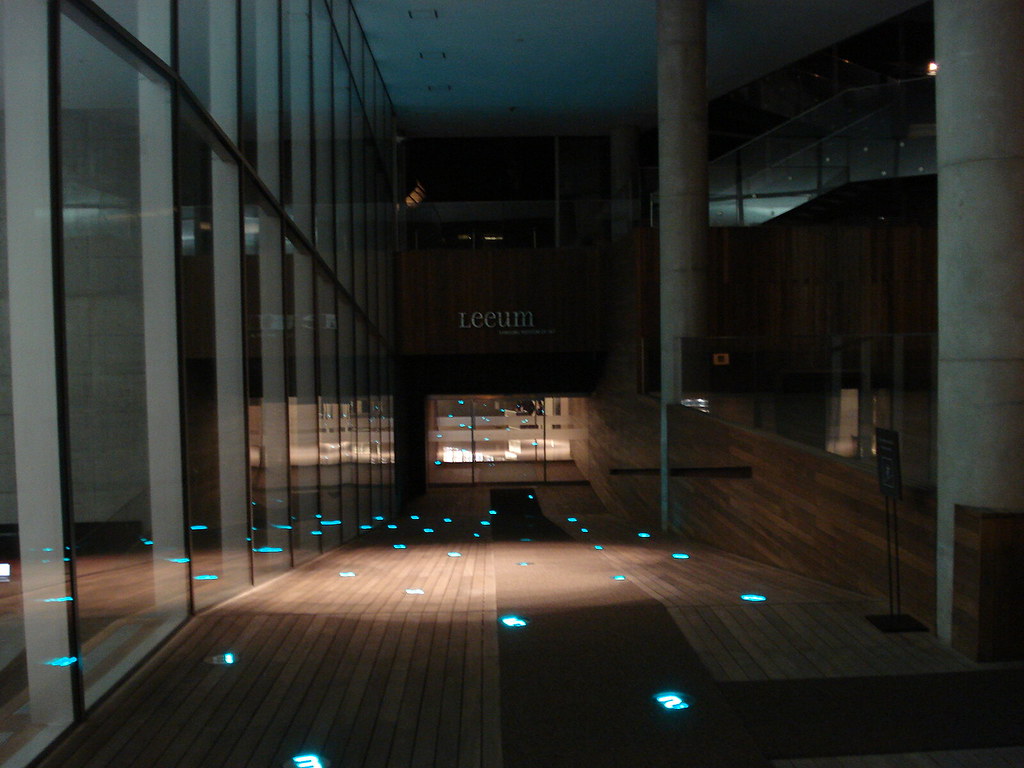
Photo: The Leeum entrance at dusk — Tim Brown Architecture, CC BY 2.0 via Flickr / Source: Openverse
- 📍 Address: 60-16 Itaewon-ro 55-gil, Yongsan-gu, Seoul (한남동)
- 🕙 Hours: Tue–Sun 10:00–18:00 · closed Mondays, New Year’s Day, Seollal & Chuseok · last entry 17:30
- 💳 Price: Permanent collection (Korean antiquities, M1) free · special exhibitions ₩18,000 (all-exhibitions pass ₩25,000) · preschoolers free
- 🚇 Getting there: Line 6 Hangangjin Station, Exit 1 → ~10-min walk (a bit uphill)
- ⏱ Time needed: 2–3 hours
- 🔗 Nearby: Hannam-dong cafés, Itaewon & Gyeongridan-gil, Namsan
- ✅ Verified as of July 2026
Where it is, and how to get there 🗺️
Leeum sits on a hillside in Hannam-dong, tucked just above the buzz of Itaewon. Take Line 6 to Hangangjin Station and leave from Exit 1. From there it’s about a ten-minute walk, and yes, the last stretch climbs a little. Wear comfortable shoes and you won’t notice.
Three architects, one museum
The Leeum Museum opened in 2004, built by Samsung. The name is a small pun — “Lee” for chairman Lee Kun-hee, plus “-um” from museum. What makes it unusual is that Samsung hired three star architects and let each design a separate building.
Mario Botta shaped Museum 1, a warm terracotta-brick tower that spirals down around a central rotunda. Jean Nouvel designed Museum 2, a boxier steel-and-glass space for modern and contemporary work. Rem Koolhaas added the black, seemingly floating education center for special shows. Underground, the three connect into one continuous route.
The result feels less like a single museum and more like three moods stitched together. That’s the fun of it. You move from hushed brick galleries into cool glass halls without ever stepping outside.
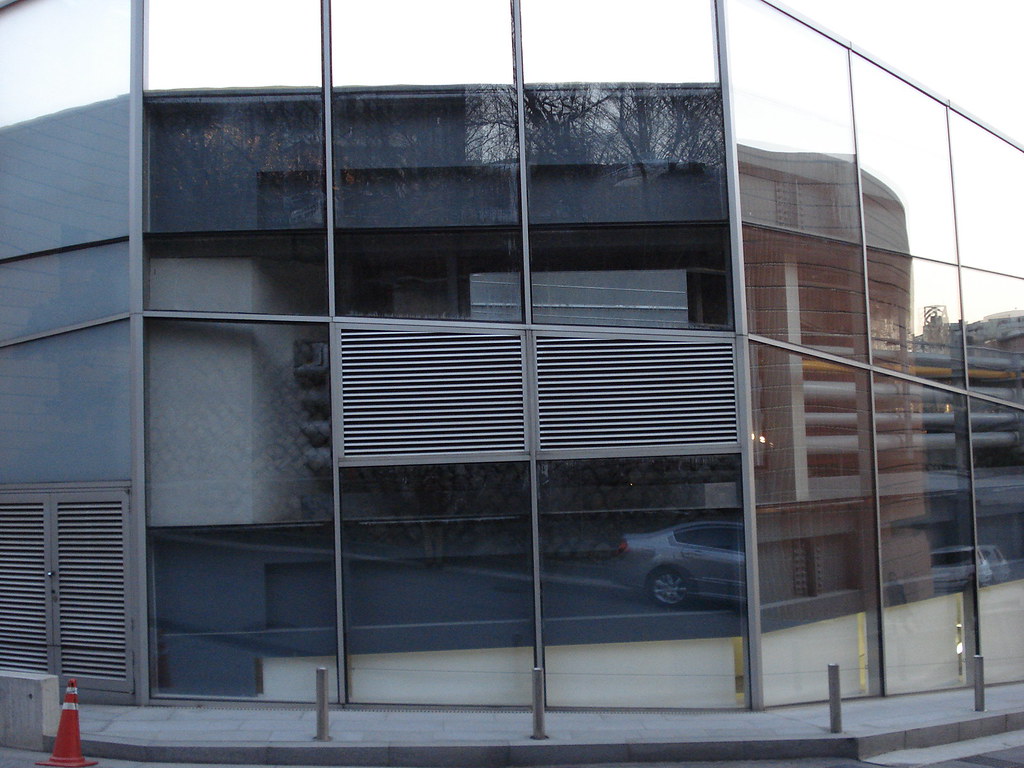
Photo: Leeum’s glass facade, with the brick rotunda reflected — Tim Brown Architecture, CC BY 2.0 via Flickr / Source: Openverse
Inside Leeum Museum: old Korea, then new
Start with Museum 1, the free half, and don’t rush it. This is Korea’s old soul in one place: jade-green Goryeo celadon, chunky buncheong ware, gilded Buddhist statues, and delicate Joseon ink paintings. Curators light the pieces like jewels against dark walls. Even if ceramics aren’t your thing, the celadon room tends to convert people.
Take the spiral staircase slowly. Botta’s rotunda pulls you down floor by floor, and the Leeum Museum designed each level as its own quiet chapter — one era of Korean craft at a time.
Then there’s Museum 2, the contemporary wing, which needs a paid special-exhibition ticket. Here you’ll find Korean modern masters like Kim Whanki and Park Seo-bo hanging near international names — Rothko, Warhol, Donald Judd, Yves Klein. It rotates, so what’s up depends on the season.
Out front stands the museum’s mascot: Louise Bourgeois’s giant bronze spider, “Maman.” It’s over nine meters tall, and it’s the photo everyone takes before they go in. Stand under it — the scale is genuinely unsettling in the best way.
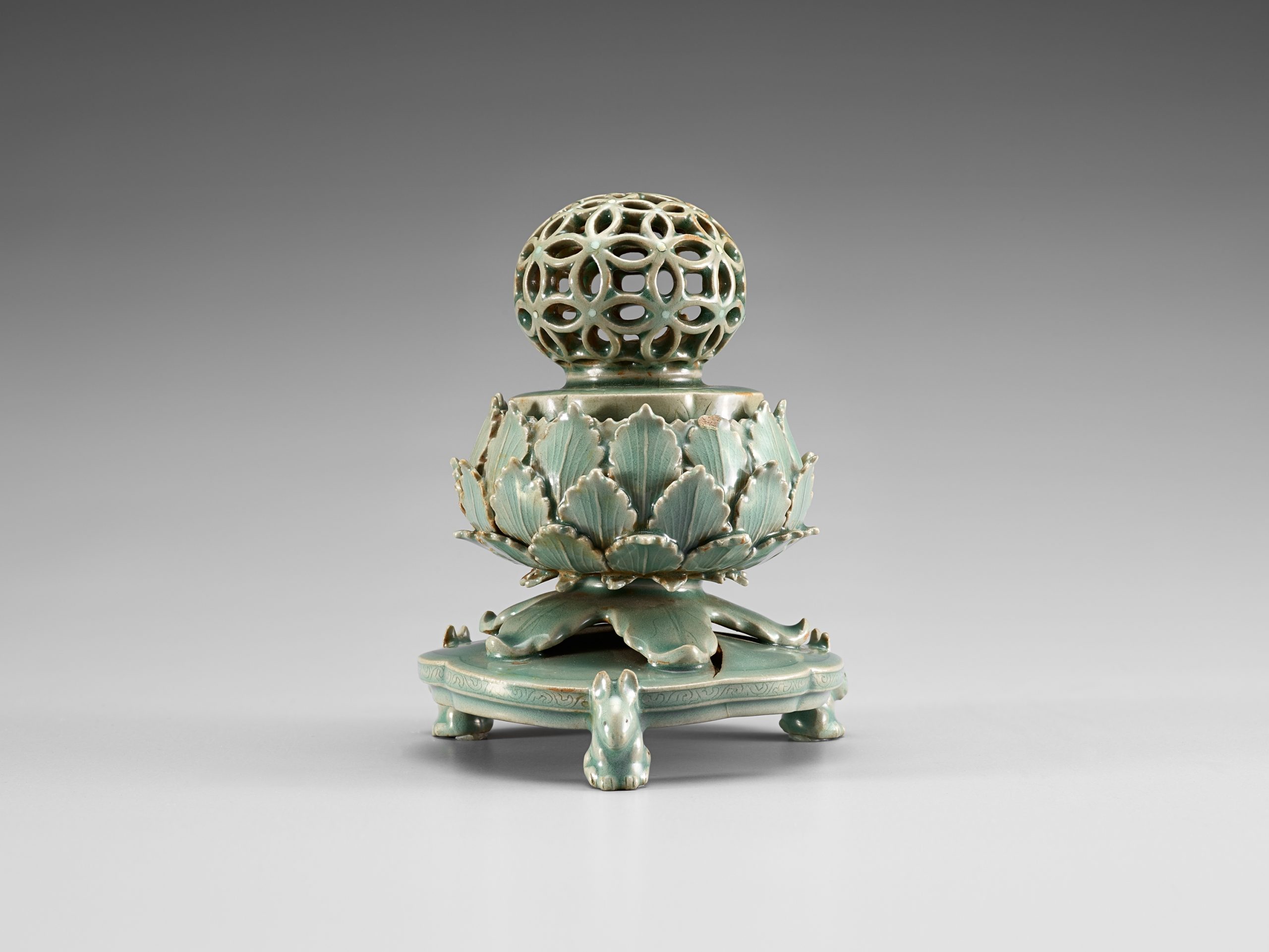
Photo: A Goryeo celadon incense burner (National Treasure) at the National Museum of Korea — the kind of celadon Leeum is known for. Source: Wikimedia Commons, CC BY 4.0
Booking, photos, and the honest downsides
Leeum runs tighter than most Seoul museums, and that’s the main thing to know before you go. A few travelers walk out annoyed — usually for the same handful of reasons.
First, photography. Many galleries ban it entirely, even without flash. If you’re the type who documents every artwork, you’ll bump against this constantly. Treat it as a phone-down visit and it stops bothering you.
Second, the rules feel strict. Expect a bag check, and expect staff to enforce the no-camera zones firmly. It can read as cold if you’re not ready for it.
Third, reservations. Booking opens 14 days ahead, and this is sharper than it sounds. Popular weekend and holiday slots can clear in about a minute once they release, so a slow click loses the slot entirely. The mobile booking flow does not help — moving between the date and time pickers is fiddly, and a refreshed page sometimes shows stale availability. You can occasionally grab a same-day slot on-site, but don’t count on it. If your plans change, cancel by the day before so the seat goes back to someone waiting.
Fourth, the special-exhibition price. At ₩18,000–₩25,000, a few visitors feel the contemporary wing isn’t worth it if the current show doesn’t grab them. Check what’s on before you pay.
What a busy Leeum Museum show actually feels like
The interactive works queue individually. This is the thing that surprises people. When a show leans on walk-through installations, each one has its own line of roughly five to fifteen minutes, and a single popular piece can swallow an hour once you count the wait and the experience. Visitors who arrived expecting to drift through in ninety minutes end up rationing which works they actually enter.
Some installations are a physical squeeze. Several are built as narrow passages you press through, and getting in and back out is genuinely awkward. One visitor came out motion-sick. If tight spaces bother you, look at the layout before committing to a piece — and wear shoes you can slip off easily, since a few works ask you to.
The Leeum Museum galleries are dark. Lighting is deliberately low, which suits the mood but works against the art. Visitors regularly say they could not read a painting’s true colours properly. It is a design choice, not an oversight, but it does mean this is a poor museum for close colour study.
Don’t drive. Parking is tight, the lot fills, and waiting for a space then walking in from further out eats the time you saved. Hangangjin Station is the easy answer.
One honest note on fit: if you came for a calm, contemplative hour with the art, a busy contemporary show is not that. Book a weekday slot and the museum turns back into the quiet building it looks like from outside.
Best time to visit Leeum Museum
Weekday afternoons are the sweet spot. Mornings can feel busy with tour groups, and weekends fill fast — both the reservation slots and the galleries themselves. Aim for a Tuesday through Friday visit after lunch, and you’ll often have whole rooms to yourself.
Season matters less here than at an outdoor sight, which is part of the appeal. The Leeum Museum is entirely indoor and climate-controlled, so it’s a smart pick for a rainy afternoon or a brutal summer heat wave. Winter works too — the galleries stay warm, and the Hannam-dong cafés afterward are cozy. If a big-name special exhibition is running, expect thicker crowds and book earlier than usual.
Who should go — and who can skip it
Go if you love art, design, or architecture, or if you want one calm, high-quality indoor slot on a hot or rainy Seoul day. Ceramics fans and modern-art lovers both get fed here, which is rare.
Maybe skip if you’re chasing a fast, photo-heavy stop between other sights. The no-photo rule and the reservation step make Leeum a “slow down and look” museum, not a quick tick-box.
What I’d actually do here
If I had one afternoon, I’d reserve a mid-week slot, arrive by 14:00, and give the free Museum 1 a real hour. Then I’d decide on the contemporary wing based on the current show — worth it for a big name, easy to skip otherwise.
After, walk it off downhill into Hannam-dong. The streets between Leeum and Itaewon are stacked with cafés, concept stores, and small galleries — an easy, stylish way to burn an hour. Feeling energetic? Gyeongridan-gil and Namsan are both within reach for the evening.
For more museums, galleries, and viewpoints around the city, browse our Icons & Views guides — Leeum pairs neatly with a Namsan or N Seoul Tower evening.
Bottom line: the Leeum Museum is Seoul’s most polished art experience, and the free half alone justifies the trip. Come for the celadon, stay for the spider, and don’t fight the rules. Just slow down and enjoy one of the best-designed buildings in the whole city.
Pingback: Lotte World Adventure: Skip the Lines (2026 Guide)
Pingback: Gwanghwamun Square: Seoul's Free Civic Plaza Guide
Pingback: 63 Square Seoul: New 2026 Sky Picnic & Pompidou Guide
Pingback: Some Sevit, Seoul: Floating Islands Night-View Guide
Pingback: Lotte World Tower: Is Seoul Sky Worth the View?